
Call: 08045477360
 Send Inquiry
 Send Inquiry
Direct Methanol Full Cell Test Station
Direct Methanol Full Cell Test Station Specification
- Product Type
- Direct Methanol Full Cell Test Station
- Usage
- Testing methanol fuel cells performance and durability
- Material
- Stainless steel, chemical-resistant plastics, and precision electronics
- Capacity
- Single cell up to 10W output (customizable)
- Nominal Capacity
- Adjustable (depends on fuel cell tested)
- Terminal
- 4mm Safety Banana Sockets
- Sealed Type
- Sealed Reaction Chamber with Gas-tight Connectors
- Voltage
- 0-10V (Output voltage range depending on cell tested)
- Surface Finishing
- Powder Coated/Polished
- Size
- Standard laboratory benchtop size
- Dimension (L*W*H)
- 395 x 340 x 195 mm
- Weight
- Approx. 8 kg
- Current Range
- Up to 10A (depending on configuration)
- Construction
- Corrosion-resistant, chemical-proof materials used
- Safety Features
- Leak-proof design, overcurrent and overtemperature protection
- Humidification
- Integrated humidification to simulate various operating conditions
- Fuel Compatibility
- Supports testing with methanol-water mixture
- Temperature Range
- Room temperature to 80°C
- Operation Mode
- Manual and programmable automatic modes
- External Interface
- USB/RS232 for data logging and PC connectivity
- Flow Rate Control
- Precise liquid methanol flow control system
- Display
- Digital meter for voltage, current, and temperature
About Direct Methanol Full Cell Test Station
Direct Methanol Fuel Cell Test Station offered by our company, is designed and manufactured by making use of premium grade of raw materials and latest techniques. This station is used for testing the liquid fuel in the system. This station applies liquid fuel to the fuel cell to generate power. Direct Methanol Fuel Cell Test Station is widely used for its unique features like graphite separator plates, safe to use, easy installation, and excellent working. This test station is very effective and economical to use.
Advanced Flow Rate Control
Manage fuel supply with accuracy via the precise methanol flow control system. Fine-tune testing conditions for single-cell evaluations or customizable setups, ensuring reliable and repeatable results across a variety of research protocols.
Comprehensive Monitoring Suite
Monitor voltage, current, and temperature in real time using integrated digital displays. Data is easily logged through USB or RS232 ports, facilitating in-depth analysis and traceability of performance metrics during fuel cell operation.
Durable, Safe, and Adaptable Design
Built from stainless steel and chemical-resistant plastics, the systems sealed reaction chamber and gas-tight connectors provide a safe environment. Overcurrent, overtemperature protection, and leak-proof features enhance safety for users in laboratory and industrial contexts.
FAQs of Direct Methanol Full Cell Test Station:
Q: How does the precise liquid methanol flow control system enhance fuel cell testing?
A: The advanced flow control ensures that the methanol-water mixture is delivered accurately to the fuel cell, allowing for precise manipulation of test conditions. This leads to consistent, reliable performance evaluation and aids in optimizing cell design.Q: What safety features are included in this test station?
A: The station is equipped with a sealed reaction chamber with gas-tight connectors, overcurrent and overtemperature protection, as well as a leak-proof design. These features safeguard both users and equipment during operation.Q: When can this test station be used during fuel cell development?
A: It is suitable at every stage, from initial research and prototype development to routine performance and durability testing, making it indispensable in laboratory and industrial environments.Q: Where is this test station most commonly utilized?
A: Primarily used in research laboratories, universities, and industrial research divisions, its also popular among distributors, manufacturers, and suppliers across India and internationally for quality assurance and development.Q: What is the process for logging and analyzing performance data?
A: The system features external USB and RS232 interfaces for seamless data logging. Test parameters such as voltage, current, and temperature are recorded and can be exported to a PC for further analysis and reporting.Q: How does integrated humidification benefit fuel cell testing?
A: Integrated humidification allows simulation of varied operating conditions, providing insights into fuel cell performance under different humidity levels. This aids researchers in understanding durability and efficiency.Q: What are the main benefits of the corrosion-resistant, chemical-proof construction?
A: The use of stainless steel and specialty plastics ensures longevity and resilience, allowing the test station to handle harsh chemicals and repeated use without deterioration or performance loss.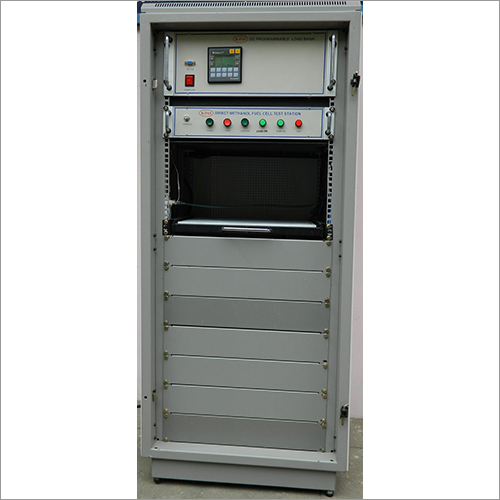
Tell us about your requirement

Price:
Quantity
Select Unit
- 50
- 100
- 200
- 250
- 500
- 1000+
Additional detail
Mobile number
Email

More Products in Fuel Cell Category
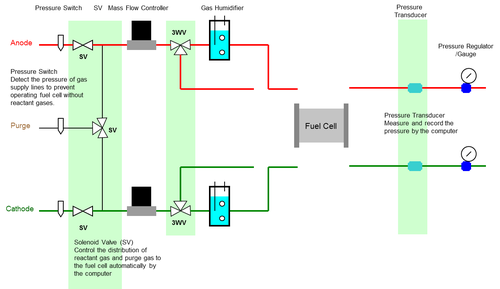
Fuel Cell control System
Minimum Order Quantity : 1 Piece
Usage : Industrial and Laboratory Applications
Capacity : Up to 10 kW
Nominal Capacity : Adjustable as per system design
Product Type : Fuel Cell Control System
Sealed Type : Other, IP54 Rated Enclosure
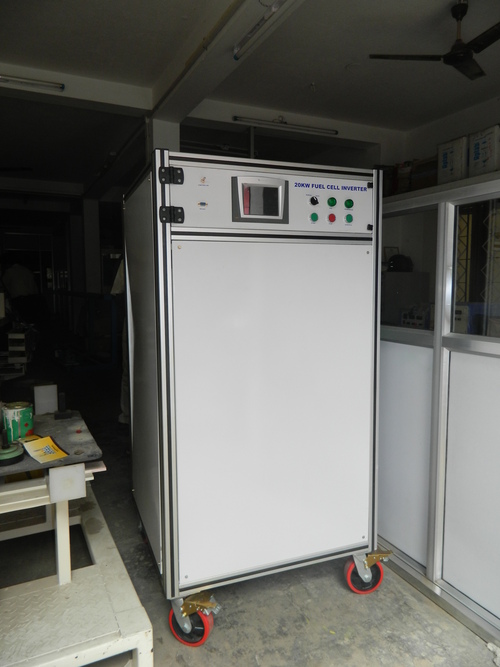
20 KW Fuel cell inverter
Minimum Order Quantity : 1 ,
Usage : Industrial and Commercial Power Applications
Capacity : 20 kW
Nominal Capacity : 20 kW Continuous Output
Product Type : Fuel Cell Inverter
Sealed Type : Other, Sealed, Weatherproof Enclosure
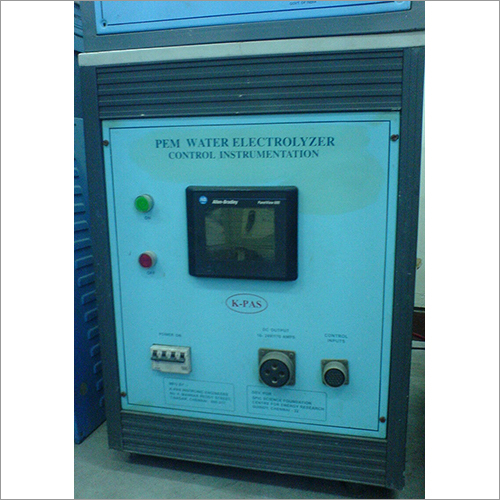
PEM Fuel Cell Test Station
Minimum Order Quantity : 1 Number
Usage : Laboratory/Research & Development/Testing of PEM Fuel Cells
Capacity : 0100 A Fuel Cell Current Range (Customizable)
Nominal Capacity : Variable as per configuration
Product Type : PEM Fuel Cell Test Station
Sealed Type : Other, Sealed Cabinet with Viewing Window
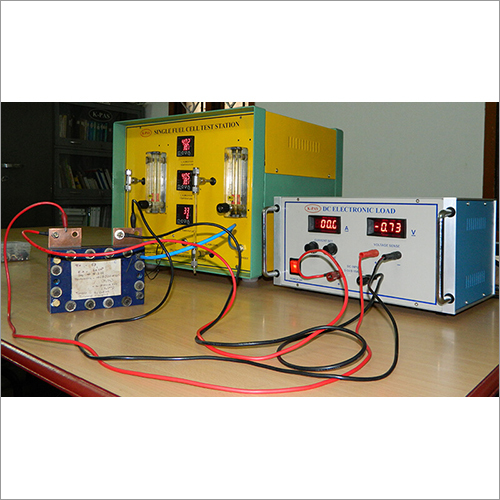
Manual Fuel Cell Test Station with DC Electronic Load Bank
Usage : Fuel cell research, testing and evaluation
Capacity : 05 kW (customizable test capacity)
Nominal Capacity : Up to 100A (load capability)
Product Type : Manual Fuel Cell Test Station with DC Electronic Load Bank
Sealed Type : Other, Openaccess design (not sealed)

Contact Details
K-PAS INSTRONIC ENGINEERS INDIA PVT. LTD.
GST : 33AADCK6611R1Z8
- No.16, Mabel Avenue, Sri Sai Nagar Extension, Thoraipakkam, Near Chennai One Toll Gate, Chennai - 600097, Tamil Nadu, India
- Phone :08045477360
 Send Inquiry
Developed and Managed by Infocom Network Private Limited.
