
Call: 08045477360
 Send Inquiry
 Send Inquiry
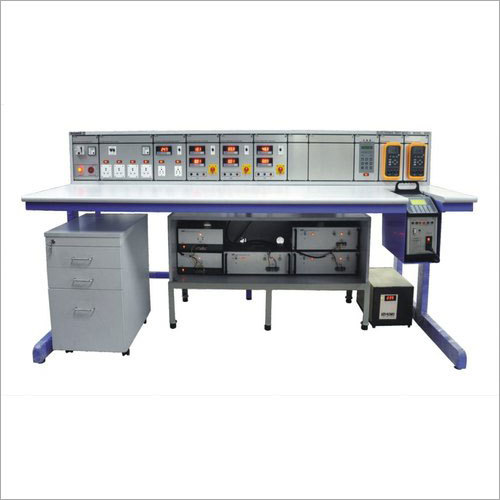
Electric Test Bench
Electric Test Bench Specification
- Usage & Applications
- Testing of Electrical Equipments, Laboratory Experimentation
- Accuracy
- ±0.5%
- Pressure
- Atmospheric
- Resistant Feature
- Corrosion Proof, Shock Resistant
- Product Type
- Electric Test Bench
- Material
- Powder Coated Steel Frame, Insulated Plastic Panels
- Measuring Voltage Range
- 0-600 V AC/DC
- Operating Temperature
- -10°C to 50°C
- Frequency (MHz)
- 50/60 Hz
- Insulation Box
- High-grade Insulation Enclosure
- Protection System
- Overload and Short Circuit Protection
- Size
- Standard Laboratory Size
- Color
- Blue & Grey
- Dimension (L*W*H)
- 1200mm x 700mm x 900mm
- Weight
- 75 kg
- Control Panel
- Front-mounted, Clearly Labeled Switches
- Test Points
- Multiple Isolated Points
- Load Capacity
- Up to 5 kW
- Ambient Humidity
- 10% - 90% RH (Non-condensing)
- Output Terminals
- Banana Sockets with Safety Cover
- Fuse Protection
- Yes, High-Quality Ceramic Fuses
- Power Supply
- 220V/380V AC Mains
- Display Type
- Digital and Analog Metering
- Standards Compliance
- ISI & IEC 61010-1 Compliant
- Input Connections
- Plug-in Modular Connectors
- Safety Interlock
- Auto Cut-off for Faults
- Cooling System
- Natural Air Ventilation
- Mounting
- Tabletop with Anti-slip Rubber Feet
Tell us about your requirement

Price:
Quantity
Select Unit
- 50
- 100
- 200
- 250
- 500
- 1000+
Additional detail
Mobile number
Email

More Products in Electrical Testing Equipments Category
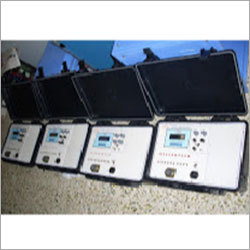
Portable Cluster Tester
Resistant Feature : Shock Proof, Dust Proof
Operating Temperature : 10C to 50C
Product Type : Portable Cluster Tester
Material : High Impact ABS Plastic
Size : Compact
Color : Light Blue and Grey
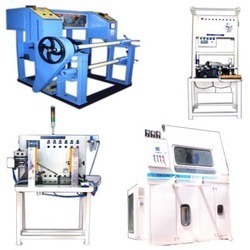
Testing Equipment
Resistant Feature : Dust & Splash Resistant
Operating Temperature : 040C
Product Type : Digital Testing Equipment
Material : ABS Plastic
Size : Standard
Color : Grey
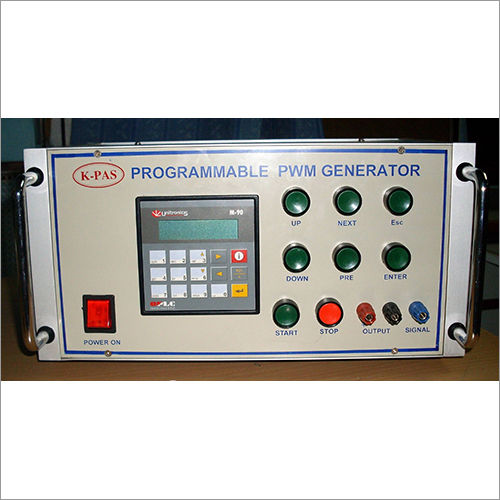
Pulse Width Modulation (PWM) Generator
Resistant Feature : Corrosion and heat resistant body
Operating Temperature : 20C to +60C
Product Type : Pulse Width Modulation (PWM) Generator
Material : PCB with high quality electronic components
Size : Compact and portable
Color : Blue PCB with white enclosure
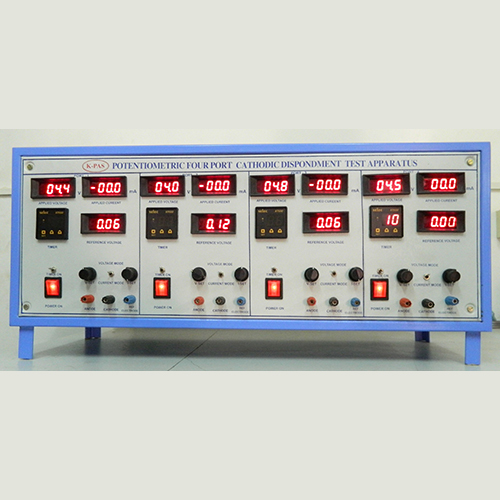
4 Port Cathodic Dispondment Tester
Resistant Feature : Chemical and impact resistant
Operating Temperature : 0C to 50C
Product Type : 4 Port Cathodic Dispondment Tester
Material : Corrosion resistant steel and industrial grade ABS
Size : Compact, portable design
Color : Grey

Contact Details
K-PAS INSTRONIC ENGINEERS INDIA PVT. LTD.
GST : 33AADCK6611R1Z8
- No.16, Mabel Avenue, Sri Sai Nagar Extension, Thoraipakkam, Near Chennai One Toll Gate, Chennai - 600097, Tamil Nadu, India
- Phone :08045477360
 Send Inquiry
Developed and Managed by Infocom Network Private Limited.
