
Call: 08045477360
 Send Inquiry
 Send Inquiry
PEM Fuel Cell Test Station
Price 3000000 INR/ Number
MOQ : 1 Number
PEM Fuel Cell Test Station Specification
- Product Type
- PEM Fuel Cell Test Station
- Usage
- Laboratory/Research & Development/Testing of PEM Fuel Cells
- Material
- Stainless Steel, Aluminum Alloy, Polycarbonate Panels
- Capacity
- 0-100 A Fuel Cell Current Range (Customizable)
- Nominal Capacity
- Variable as per configuration
- Terminal
- Stainless Steel Connectors
- Sealed Type
- Sealed Cabinet with Viewing Window
- Voltage
- 0-50 V DC (Adjustable)
- Surface Finishing
- Powder Coated/Anodized
- Size
- Standard/Customizable
- Dimension (L*W*H)
- Approx. 700 mm x 500 mm x 450 mm
- Weight
- Around 45 kg
- Pressure Range
- 0-3 bar (Adjustable)
- Flow Range
- 0-5 LPM (Configurable)
- Power Supply
- 230V AC, 50 Hz
- Control System
- Programmable Logic Controller (PLC) with PC Interface
- Reactant Gas Supply
- Hydrogen and Air with Mass Flow Controllers
- Test Type
- Automated Performance Testing & Data Logging
- Display
- Touchscreen HMI Display
- Connectivity
- USB, Ethernet
- Safety Features
- Emergency Stop, Over Pressure Relief, Leak Detection
- Compliance
- CE Certified, ISO 9001:2015
- Cooling Method
- Integrated Water or Air Cooling System
- Operating Environment
- Indoor, Laboratory use
- Temperature Control
- Ambient to 120°C (Programmable)
- Data Acquisition
- Multi-channel, Real-Time Data Display and Storage
- Humidification Unit
- Integrated with Digital Flow Control
About PEM Fuel Cell Test Station
A PEM Fuel Cell Test Station is a specialized system used for testing and evaluating Proton Exchange Membrane (PEM) fuel cells. It provides a controlled environment for analyzing the performance and characteristics of PEM fuel cells, which are a type of clean energy technology.
Frequently asked questions:
Q: What is a PEM Fuel Cell Test Station?
A: A PEM Fuel Cell Test Station is a laboratory setup that includes components and instruments specifically designed for testing PEM fuel cells. It typically consists of a power supply, load banks, gas management systems, data acquisition equipment, and software for monitoring and analyzing the fuel cell's performance.
Q: What is the purpose of a PEM Fuel Cell Test Station?
A: The primary purpose of a PEM Fuel Cell Test Station is to evaluate the performance, efficiency, and durability of PEM fuel cells. Researchers and engineers use these test stations to simulate real-world operating conditions, measure key parameters such as voltage, current, and temperature, and assess the overall efficiency and stability of the fuel cell.
Q: How does a PEM Fuel Cell Test Station work?
A: A PEM Fuel Cell Test Station supplies the necessary reactant gases (typically hydrogen and oxygen or air) to the fuel cell and controls the flow rates and pressure. It provides a load or electrical demand to the fuel cell, which generates power in response. The station then measures and records various performance parameters, allowing for analysis and optimization of the fuel cell's operation.
Q: What are the benefits of using a PEM Fuel Cell Test Station?
A: PEM Fuel Cell Test Stations offer several benefits for researchers and developers of fuel cell technology. They provide a controlled environment to study and improve fuel cell performance, optimize operating conditions, and assess the impact of different variables on the system. These test stations help advance the understanding and development of PEM fuel cells, enabling their practical application in various industries.
Precision Automation for a Range of Test Types
This test station delivers automated performance testing and real-time data logging, making it suitable for research, development, and quality assurance. The PLC-based control system and integrated digital flow control enable incredibly accurate process regulation, reducing errors and improving repeatability for various PEM fuel cell assessments.
Comprehensive Monitoring and Control Features
Equipped with mass flow controllers, programmable temperature settings, and robust safety features, the system ensures optimal testing conditions and operator safety. The multi-channel data display, adjustable flow and pressure ranges, and HMI touchscreen simplify monitoring and adjustment, making operation intuitive and efficient.
Robust Construction for Laboratory Environments
Built from stainless steel, aluminum alloy, and polycarbonate, the station's powder-coated, sealed cabinet promises longevity and safety. Its standard or customizable sizing fits most laboratory benches, while compliant standards like CE and ISO 9001:2015 further assure quality and regulatory adherence.
FAQ's of PEM Fuel Cell Test Station:
Q: How does the automated performance testing process work on the PEM Fuel Cell Test Station?
A: The test station utilizes a programmable logic controller (PLC) connected to a PC interface, automating the control of reactant flow, temperature, humidification, and data acquisition. Operators can configure test parameters, initiate sequences and monitor performance metrics in real time, with all data stored for post-test analysis.Q: What safety features are integrated into this test station for laboratory testing?
A: Safety is prioritized through emergency stop functionality, over pressure relief valves, and sensitive leak detection capabilities. These measures help mitigate risks associated with hydrogen handling, high pressure conditions, and ensure a secure testing environment for researchers.Q: When should researchers select this PEM Fuel Cell Test Station for their experiments?
A: Researchers and test engineers should choose this system for laboratory or R&D scenarios requiring reliable, automated performance evaluations, customizable current and voltage settings, and precise control over environmental variables like temperature and gas flow to ensure repeatable results.Q: Where can this test station be installed and used?
A: The station is optimized for indoor laboratory environments, especially in research institutions, industrial R&D centers, and university laboratories. Its compact and sealed design allows flexible placement on standard benchtops without compromising safety or operational efficiency.Q: What benefits does the integrated digital flow control offer during fuel cell tests?
A: Digital flow control ensures accurate and programmable regulation of reacting gases and humidification, enabling better consistency in fuel cell performance data and reducing variability due to manual adjustments during experiments.Q: How can users log, access, and analyze data from the test station?
A: Multi-channel real-time data is displayed via the touchscreen HMI and can be stored locally or retrieved through USB and Ethernet connections. This facilitates thorough analysis and documentation of each test, supporting advanced research and validation of test results.Q: What capacity and range options are available for current, voltage, flow, and pressure during testing?
A: The station supports a fuel cell current range of 0-100A, adjustable voltage from 0-50V DC, configurable flow rates between 0 and 5 LPM, and pressure settings from 0 to 3 bar. These parameters can be tailored to match specific fuel cell requirements or experiment protocols.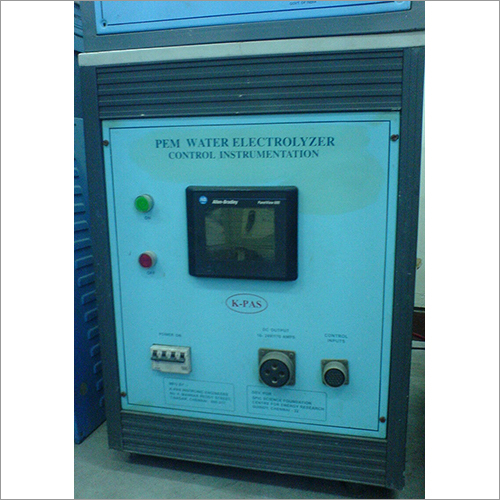
Tell us about your requirement

Price:
Quantity
Select Unit
- 50
- 100
- 200
- 250
- 500
- 1000+
Additional detail
Mobile number
Email

More Products in Fuel Cell Category
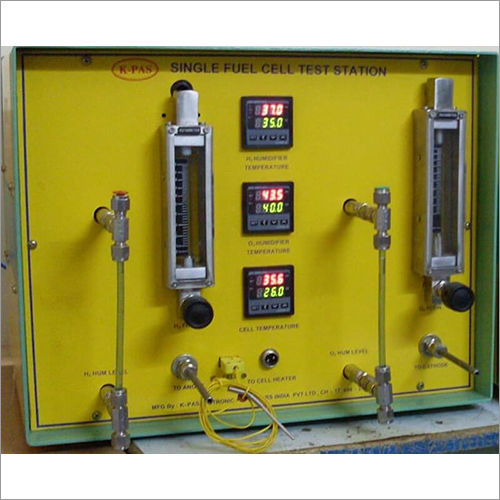
Manual Operated Single Cell Fuel Test Station
Voltage : 03 V DC (typical for single fuel cell testing)
Material : Stainless Steel, Aluminum Alloy
Nominal Capacity : Customizable as per cell size
Surface Finishing : Powder Coated / Polished
Product Type : Manual Operated Single Cell Fuel Test Station
Usage : Fuel cell research and testing
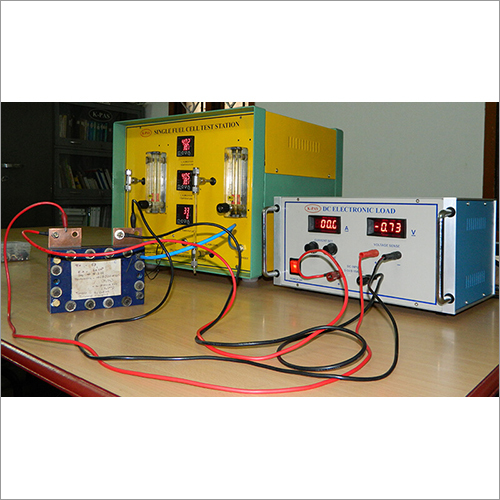
Manual Fuel Cell Test Station with DC Electronic Load Bank
Voltage : 060 V DC (load bank adjustable)
Material : Highgrade stainless steel, aluminum alloy, polycarbonate panel
Nominal Capacity : Up to 100A (load capability)
Surface Finishing : Powdercoated corrosion resistant finish
Product Type : Manual Fuel Cell Test Station with DC Electronic Load Bank
Usage : Fuel cell research, testing and evaluation
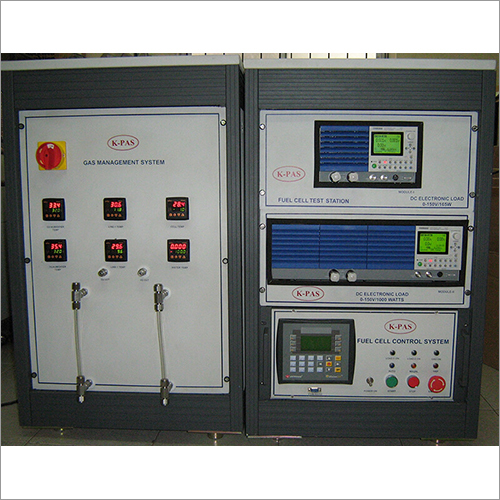
Fuel Cell Test Stations (100W - 1200W)
Voltage : 12V to 48V
Material : Stainless Steel, Aluminium Alloy, and Industrial Electronics
Nominal Capacity : 100W/500W/750W/1000W/1200W
Surface Finishing : Powder Coated / Brushed
Product Type : Fuel Cell Test Station
Usage : Testing PEM Fuel Cells and Stacks
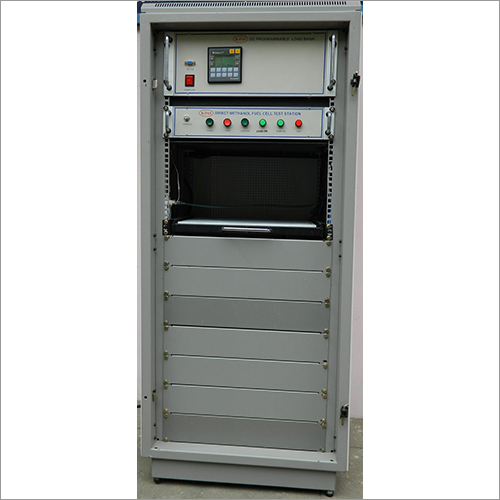
Direct Methanol Full Cell Test Station
Voltage : 010V (Output voltage range depending on cell tested)
Material : Stainless steel, chemicalresistant plastics, and precision electronics
Nominal Capacity : Adjustable (depends on fuel cell tested)
Surface Finishing : Powder Coated/Polished
Product Type : Direct Methanol Full Cell Test Station
Usage : Testing methanol fuel cells performance and durability

Contact Details
K-PAS INSTRONIC ENGINEERS INDIA PVT. LTD.
GST : 33AADCK6611R1Z8
- No.16, Mabel Avenue, Sri Sai Nagar Extension, Thoraipakkam, Near Chennai One Toll Gate, Chennai - 600097, Tamil Nadu, India
- Phone :08045477360
 Send Inquiry
Developed and Managed by Infocom Network Private Limited.
