
Call: 08045477360
 Send Inquiry
 Send Inquiry
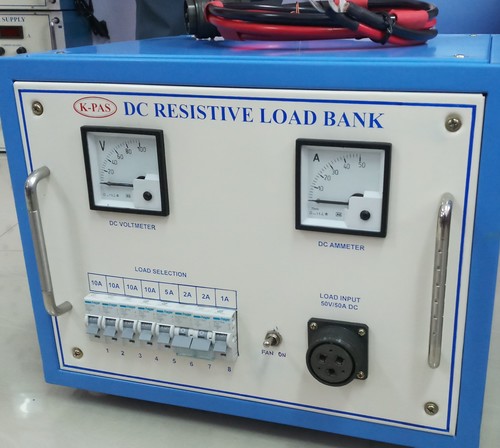
DC Electronic Load Bank
DC Electronic Load Bank Specification
- Product Type
- DC Electronic Load Bank
- Material
- Powder Coated Steel
- Power
- 500 W / 1000 W / 2000 W (Available in Multiple Ratings)
- Working Temperature
- 0C to 40C
- Speed Regulation Method
- Microprocessor Controlled
- Noise Level
- <45 dB
- Dimension (L*W*H)
- 500 mm x 400 mm x 250 mm (varies by model)
- Weight
- 15 kg (approximate; varies by rating)
- Color
- Grey
- Input Voltage Range
- 5 V to 500 V DC
- Load Mode
- Constant Current / Constant Voltage / Constant Power / Constant Resistance
- Current Range
- 0 to 40 A (as per model)
- Display Type
- Digital LCD display
- Operation Mode
- Manual & Remote Control
- Application
- Battery Testing, Power Supply Testing, Laboratory Use
- Resolution
- 1 mA / 1 mV
- Protection Features
- Over Voltage, Over Current, Over Power, Over Temperature
- Cooling Method
- Forced Air Cooled
- Data Logging
- Available
- Interface
- RS232 / RS485 (optional)
About DC Electronic Load Bank
Designed with utmost precision and perfection, our range of Load Banks is highly efficient in delivering output current at a medium-high voltage. Manufactured using superior grade components under the guidance of expert professionals, these custom designed load banks are extensively used for laboratory and manufacturing applications.
Features:
-
Know for their precision constant and voltage steady
-
Strong construction
-
Easy handling and operations
-
Longer hassle free service life
Versatile Load Simulation
This DC electronic load bank supports various load modesconstant current, voltage, power, and resistancemaking it suitable for a wide range of electronic testing scenarios. The device is ideal for battery evaluation, power supply testing, and laboratory troubleshooting, ensuring flexibility for different industry requirements.
User-Friendly Interface & Operation
Equipped with a digital LCD display, the load bank allows operators to accurately monitor all parameters in real time. Users can select between manual and remote operation, with optional RS232/RS485 interface to facilitate convenient control and data communication for comprehensive test automation workflows.
Robust Safety and Cooling Features
Safety is ensured with built-in protection against common fault conditions such as overvoltage, overcurrent, overpower, and overheating. Forced air cooling keeps the devices temperature under control, promoting a long operational lifespan, while its sturdy powder-coated steel body enhances durability during extended testing cycles.
FAQs of DC Electronic Load Bank:
Q: How is the DC electronic load bank used in battery and power supply testing?
A: The load bank simulates real-world load conditions by drawing pre-set current or power from batteries or power supplies. Users can choose specific modessuch as constant current or constant voltageto reliably measure and analyze the performance and endurance of battery packs or power supplies under controlled loads.Q: What safety features are integrated into the load bank for reliable operation?
A: The device incorporates several protection mechanisms including over voltage, over current, over power, and over temperature safeguards. These features automatically disconnect or adjust the load to prevent device damage or unsafe operating conditions during testing.Q: When is data logging particularly beneficial during testing?
A: Data logging enables continuous capture and storage of test results, making it invaluable for long-duration tests or detailed performance analyses. It allows users to track charge/discharge cycles, voltage drops, and overall stability, which is essential for research, quality control, or troubleshooting.Q: Where can this electronic load bank be effectively deployed?
A: This device is well-suited for laboratories, research and development departments, manufacturing quality control lines, and companies engaged in battery or power supply design and production. Its sturdy build and configurable models make it adaptable for varied industrial environments across India.Q: What process should be followed to ensure proper operation and longevity of the device?
A: Regularly inspecting air cooling paths, ensuring ambient working conditions (0C to 40C), and using the device within specified voltage, current, and power ratings are essential. Proper connection setup and monitoring via the LCD display or remote interface help maintain accurate performance and extend the equipments service life.Q: What are the main benefits of employing a microprocessor-controlled load bank?
A: A microprocessor-controlled load bank offers precise measurement, stable load regulation, and advanced test automation capabilities. This results in higher testing accuracy, easier control through software, and reliable safety interventionsall of which streamline lab or production testing workflows.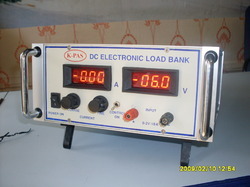
Tell us about your requirement

Price:
Quantity
Select Unit
- 50
- 100
- 200
- 250
- 500
- 1000+
Additional detail
Mobile number
Email

More Products in Resistive Load Bank Category
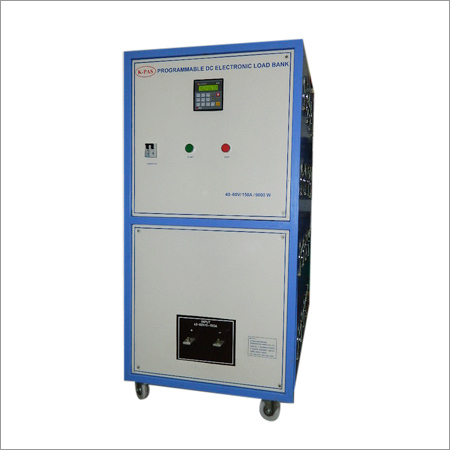
Programmable DC Electronic Load Bank
Minimum Order Quantity : 1 Piece
Power : Up to 6000W or as specified
Color : Gray & Black
Frequency (MHz) : DC Only (No Frequency)
Product Type : Programmable DC Electronic Load Bank
Working Temperature : 0C to 40C
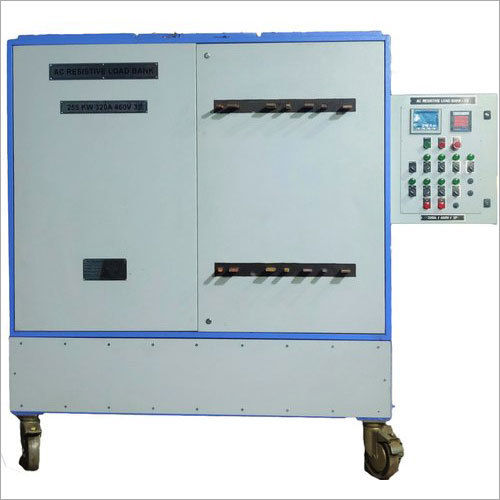
760V-400A-520KW AC Resistive Load Bank
Power : 520 KW
Color : Grey
Frequency (MHz) : 50 Hz
Product Type : AC Resistive Load Bank
Working Temperature : 10C to +50C
AC Resistive Load Bank
Power : 50 kW 2000 kW (Customizable)
Color : Gray / Custom as Requested
Frequency (MHz) : 50 Hz / 60 Hz
Product Type : AC Resistive Load Bank
Working Temperature : 10C to +55C

Contact Details
K-PAS INSTRONIC ENGINEERS INDIA PVT. LTD.
GST : 33AADCK6611R1Z8
- No.16, Mabel Avenue, Sri Sai Nagar Extension, Thoraipakkam, Near Chennai One Toll Gate, Chennai - 600097, Tamil Nadu, India
- Phone :08045477360
 Send Inquiry
Developed and Managed by Infocom Network Private Limited.
