
Call: 08045477360
 Send Inquiry
 Send Inquiry
Water C Control System
Water C Control System Specification
- Features
- Energy efficient, LCD fault display, Easy installation
- Installation Type
- Wall Mount
- Output
- Relay/Contact
- Display
- Digital LED
- Current
- 3A
- Usage & Applications
- Domestic, Agricultural, and Industrial Water Automation
- Pole Type
- Single Pole
- Mounting Type
- Panel / Wall Mounted
- Phase
- Single Phase
- Switch Type
- Automatic
- Sensor Type
- Pressure and Flow Sensors
- Connectivity Type
- Wired
- Protection Level
- Overload and Dry Run
- Frequency
- 50/60 Hz
- IP Rating
- IP65
- Product Type
- Water C Control System
- Working Temperature
- 0C to 55C
- Input
- 230V AC
- Pressure Type
- Adjustable
- Diameter
- 1 inch
- Application
- Water Level and Pump Control
- Accuracy
- 1%
- Dimension (L*W*H)
- 220mm x 150mm x 100mm
- Weight
- 1.8 kg
About Water C Control System
Water Electrolyzer Control System
Owing to our rich industrial expertise and skills, we are renowned as one of the most profound manufacturers, exporters and suppliers of Water Electrolyzer Control System. Fully automatic, first class quality, high tensile strength, etc. are some features of our water electrolyzer control systems, which makes this system more demanded in the leading market. Water Electrolyzer Control System finds wide usage in the market and is available as per the customers required specifications and demands.
Further Details:
In the water electrolyzer, an electrolyzing section has electrodes for electrolyzing raw water. The water pressure sensor detects pressure of raw water introduced into the electrolyzing section. A driver circuit adjusts electric power supplied to the electrodes.
Intelligent Water Control for Multiple Applications
Engineered for use across domestic, agricultural, and industrial settings, the Water C Control System helps automate pump and water level management with high accuracy and rapid response. Its robust ABS plastic housing and compact build make it a reliable choice for both indoor and outdoor installations. The panel or wall mounting options facilitate flexible and quick integration.
Advanced Safety and Efficiency Features
Equipped with overload and dry-run protection, the system ensures pump longevity and reduced maintenance. Alarm functions alert users to unsafe conditions, and the LCD fault display simplifies diagnostics. Consuming less than 10W, it is designed to be energy efficient, operating smoothly on a single-phase 230V AC input with 3A current.
Precision Sensors and User-Friendly Display
Digital LED display provides real-time pressure and water level status, supported by integrated pressure and flow sensors for accurate measurements. The system processes changes within one second, enabling responsive control. Adjustable pressure settings and clear alarms maximize operational flexibility and safety.
FAQs of Water C Control System:
Q: How is the Water C Control System installed?
A: The Water C Control System is designed for easy installation on either a panel or a wall. Its compact, lightweight ABS plastic casing and standard 1.5-meter wired cabling make it simple to mount in domestic, agricultural, or industrial settings. Follow the provided instructions for secure fixation and proper wiring.Q: What types of fluids can this control system handle?
A: This unit is compatible exclusively with clean water. It is not suitable for use with other fluids, chemicals, or water contaminated with particulates, ensuring long-lasting performance and accurate measurements.Q: When do the alarm functions activate, and what do they indicate?
A: The built-in alarm functions activate instantly when low water levels or high-pressure conditions are detected by the system. These alerts help protect pumps from dry running or possible overloads, minimizing the risk of equipment damage.Q: Where is the best location to install the Water C Control System?
A: The ideal installation site is a dry, accessible location that is either on a wall or panel, within the recommended temperature range (0C to 55C). Thanks to its IP65 rating, it withstands dust and water jets, making it suitable for indoor and sheltered outdoor applications.Q: What is the process of adjusting pressure settings on this system?
A: Adjustable pressure settings are available via the digital interface. Users can set desired pressure thresholds easily through the LED display, allowing for customization based on specific water management needs.Q: How does the display and fault detection system benefit users?
A: The digital LED display delivers immediate information on water levels and system status, while the LCD fault display highlights any malfunctions. This ensures timely intervention, reduces downtime, and simplifies maintenance.Q: What are the key advantages of using this water control system?
A: The system offers energy-efficient operation, rapid response times, and enhanced protection against dry run and overload scenarios. Its user-friendly installation, clear diagnostics, and adjustable settings translate to reduced maintenance costs and safer, more reliable automation.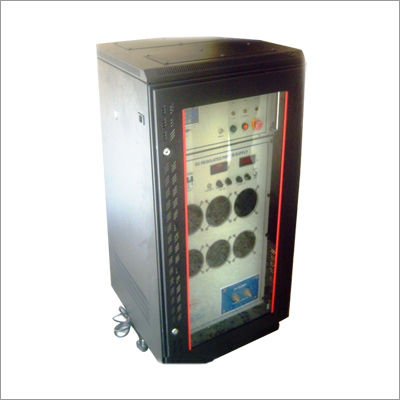
Tell us about your requirement

Price:
Quantity
Select Unit
- 50
- 100
- 200
- 250
- 500
- 1000+
Additional detail
Mobile number
Email


Contact Details
K-PAS INSTRONIC ENGINEERS INDIA PVT. LTD.
GST : 33AADCK6611R1Z8
- No.16, Mabel Avenue, Sri Sai Nagar Extension, Thoraipakkam, Near Chennai One Toll Gate, Chennai - 600097, Tamil Nadu, India
- Phone :08045477360
 Send Inquiry
Developed and Managed by Infocom Network Private Limited.
